
Verified Key West Directory Editions
The Florida Keys History Center provides the strongest local spine. Its catalog documents specific Key West city directory editions, while an institutional collection gives broader run evidence. These are verified examples and minimum holdings. They do not prove that every intervening year is missing.
| Collection | Years | Where Held | Access |
|---|---|---|---|
| Key West editions | 1887, 1888, 1893, 1911, 1917, 1927 | Florida Keys History Center | CatalogIt, digital images, local collection |
| Polk directories | 1906-07 and 1914 verified | History Center and partners | Catalog item or on-site help |
| Institutional directory run | 1906-1928 evidence | Allen County Public Library collection | Institutional and digitized channels |
| Florida city directories | Early 1900s to present | State Library, Tallahassee | Reference desk and city/year holdings |
Polk is verified for 1906-07, and R.L. Polk for 1914. Preserve the publisher on any added catalog item because layout, abbreviations, and inclusion rules may shift. Research did not establish a final printed year or complete year-by-year run, so neither should be inferred from the known list.
The History Center catalog displays the documented Key West historical directory collection.
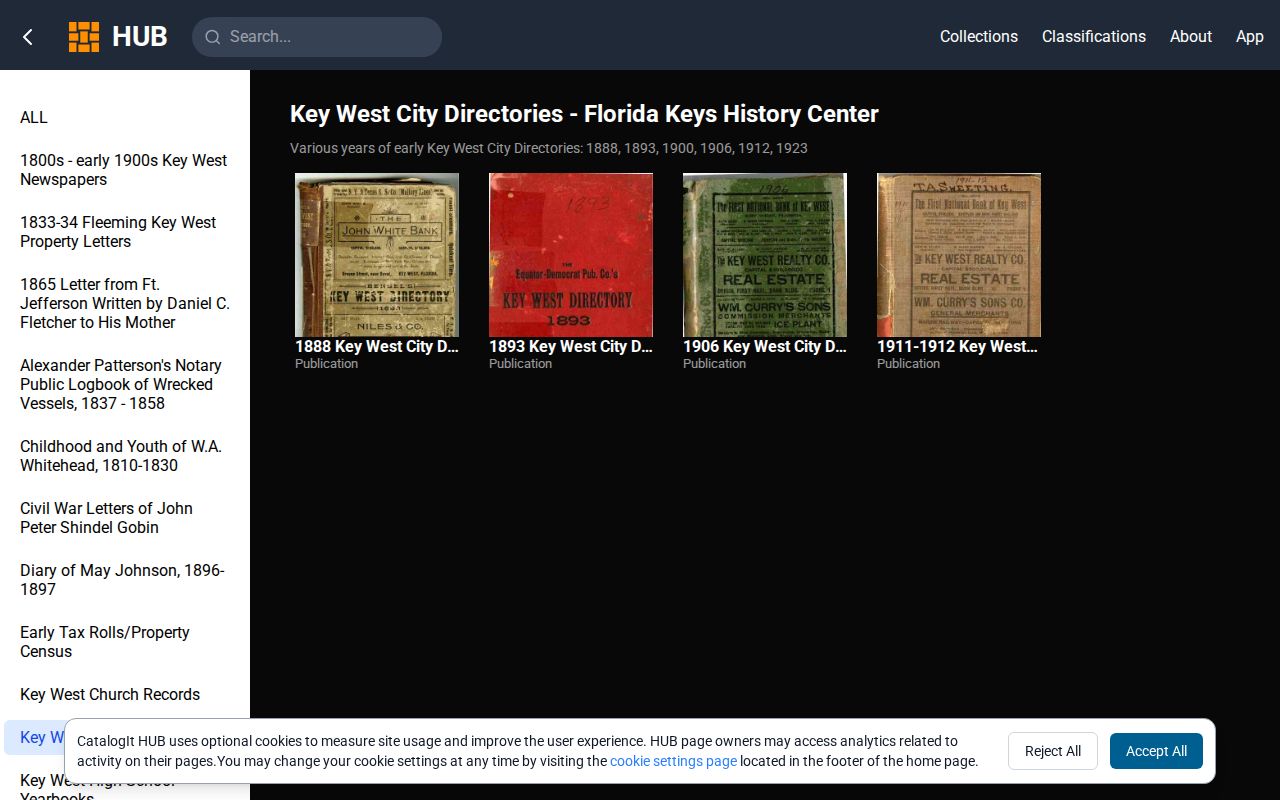
Open each catalog item to confirm its edition, publisher, image access, and arrangement.
Key West History Center Access
The Florida Keys History Center is in the Key West Library at 700 Fleming Street. Specialist hours are Monday through Friday, 9 a.m. to 6 p.m. Dr. Corey Malcom can be reached at 305-809-5260, and Breana Sowers at 305-809-5261. Confirm specialist availability before a visit because it may differ from general branch access.
Send a focused request with name variants, approximate years, known addresses, occupations, spouse or relatives, and the collection sought. Staff can route work among city directories, newspaper indexes and microfilm, maps, genealogy files, yearbooks, church records, oral histories, and more than 24,000 images. In-library Ancestry Library Edition and linked archive channels expand the shelf.
The collection includes Key West High School yearbooks, Solares Hill material, Civil War letters, NAS Key West albums, early tax or property census sources, and cemetery links. Those companions keep directory research grounded in local records.
Key West Directories On Screen
Digital access has several levels. CatalogIt identifies History Center items and may expose images. The State Library city-directory collection supplies statewide reference help and holdings arranged by city and year. Its reference desk number is 850-245-6682.
The State Library explains how Florida city directories are organized and requested.
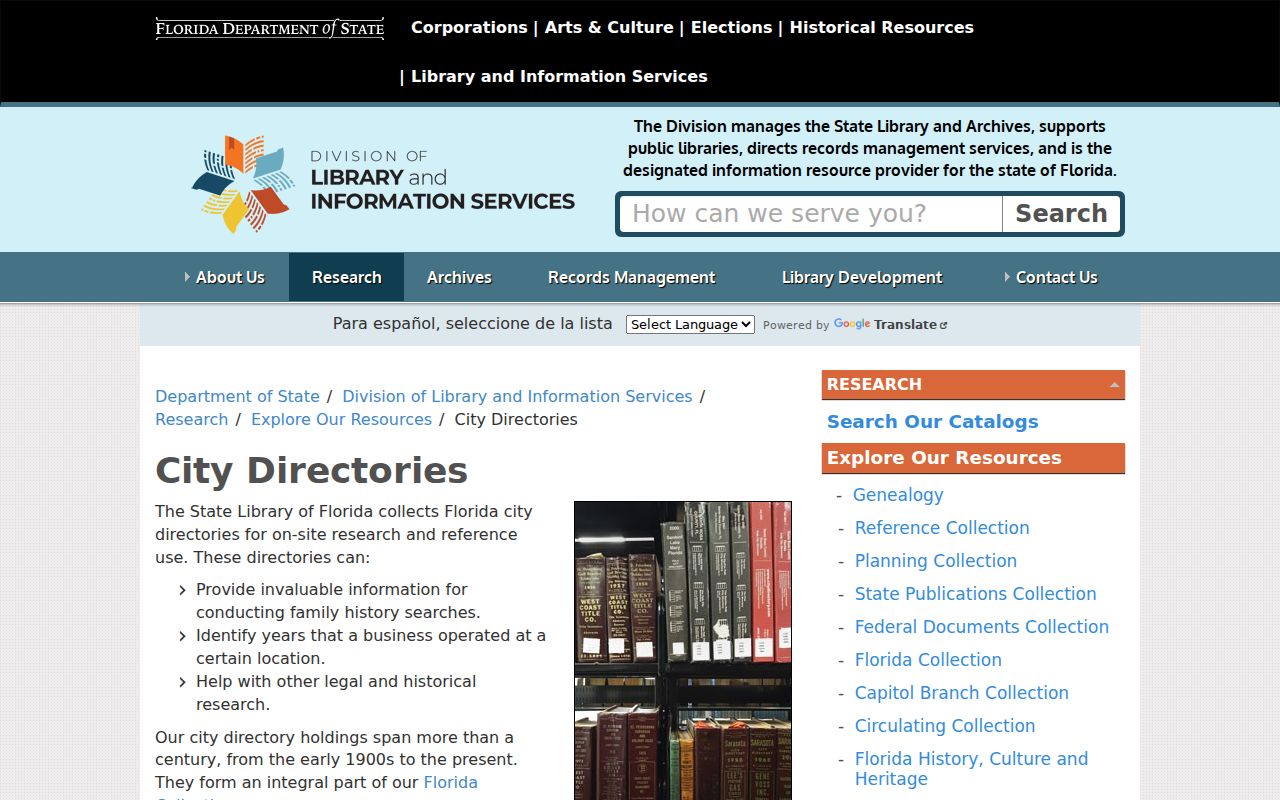
Use it to check a year outside the verified local examples or request reference help.
The State Archives genealogy collection adds records beyond directory volumes.
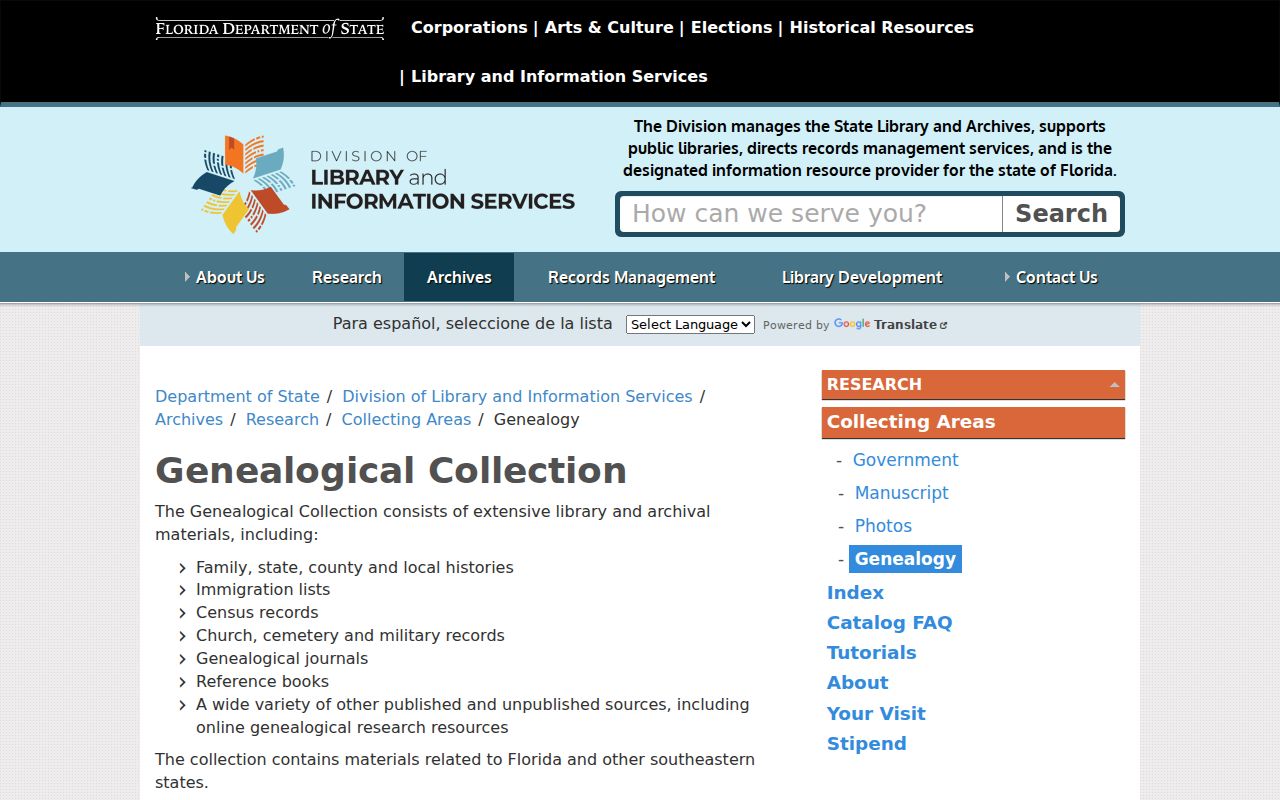
Its wider context helps when a directory hit points toward family, land, or institutional records.
Who Key West Polk Omitted
The 1914 Polk city directory contained 8,606 listed names. A contemporary estimate multiplied that count by three to account for omitted women and children, yielding an estimated population of 25,818. The contrast is direct evidence that directory inclusion was selective.
Women may appear through a spouse or widow form. Children were not listed in a complete way. Boarders, sailors, people on short postings, and anyone missed between canvass and print can vanish from one edition. A missing entry does not establish that a person had left Key West.
Research limit. Treat each volume as a dated index of listed people, then test absence or presence against an independent source.
Reading Key West Directory Entries
No stable page image and abbreviation key from a Key West edition was captured during research. The safe method is to inventory fields that may appear, then confirm each mark against the key printed in that exact volume. Never assign a symbol from another city or year.
| Name | Surname, given name or initial, and variants exactly as printed |
|---|---|
| Family clue | Spouse or widow notation when the edition defines one |
| Work | Occupation, employer, or business listing |
| Address | Residence or business street line as printed |
| Tenure mark | Owner or renter symbol only when the edition key defines it |
- Criss-cross directory
- A section arranged by street and house number rather than surname.
- Householder index
- A list centered on the identified household head, not every occupant.
- Abbreviation key
- The publisher's legend for shortened words and symbols in that edition.
Publication year can follow an earlier canvass. Copy the title page, publisher, edition year, column heading, abbreviation key, and entry together. That context lets another researcher understand what each mark meant.
Maps and News Around Entries
A street line becomes more useful when paired with place and event records. Library of Congress Sanborn maps can show a building footprint, use, and street number at publication time, though the exact Key West sheet run was not fully inventoried. History Center and University of Florida newspaper channels can connect a name to an obituary, organization, ship, work, family event, or address.
Search initials, spouse, occupation, employer, organization, and alternate Spanish or Anglicized surnames. Once a newspaper item is found, the History Center's climate-controlled original may yield a clearer image than microfilm. Cemetery burial cards, probate, and vital records help distinguish an event from a repeated name.
The History Center's digital-access update shows how online reach supports remote research.
Remote tools identify target items, while staff and original holdings remain the fallback for gaps.
Key West Historical Partners
The Key West Art & Historical Society is another entry point for images, objects, exhibits, and local history. Its material complements the library's city directory shelf. Ask for a collection and date range tied to a known person, property, business, or event.
The society's portal introduces its Key West historical holdings.

Compare a name or place found there with the edition date and printed directory evidence.
A 2025 History Center feature on WPA neighborhood imagery shows how archive images can clarify a directory address.
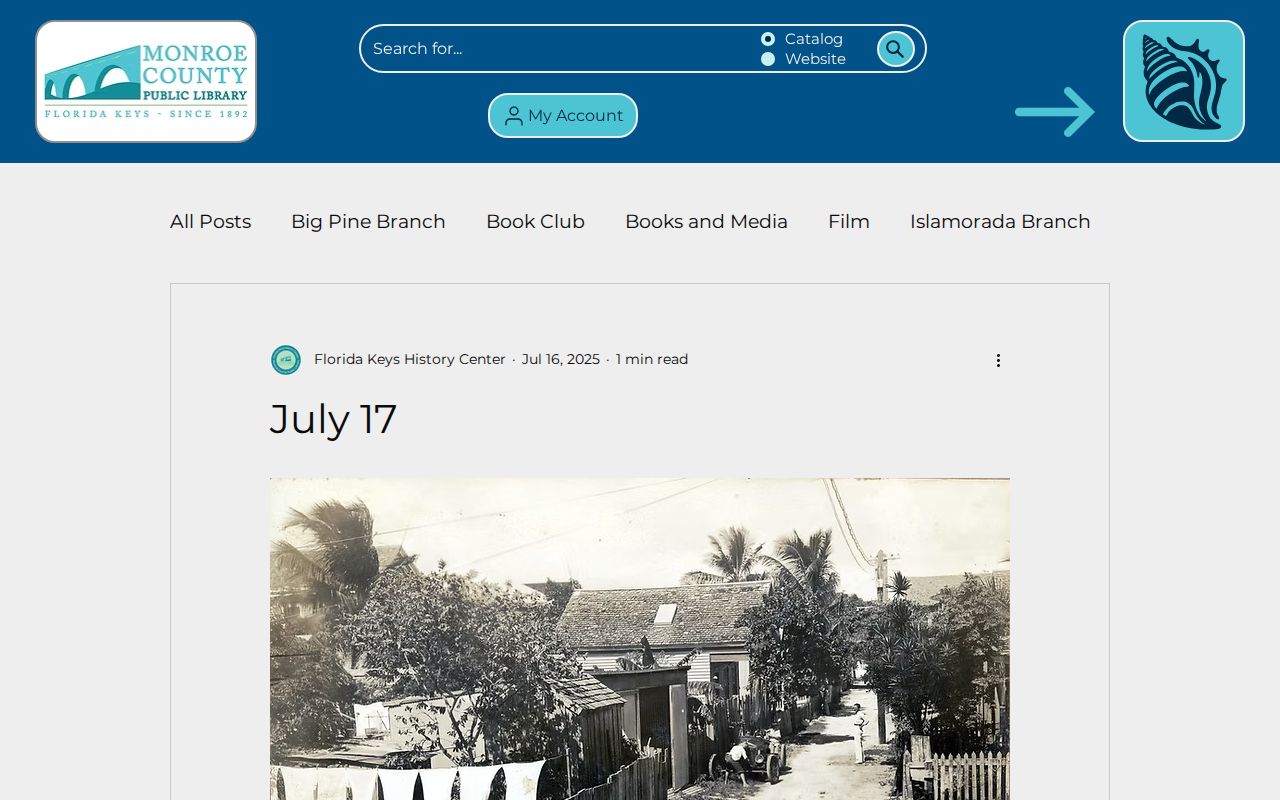
Such pictures add a visual block record while leaving identity claims to indexed sources.
Tracing Key West Families by Year
Adjacent editions narrow the window for a move, death, marriage, or work change. A census adds relationships, ages, birthplace, immigration facts, and tenure. The 1950 federal population schedule is the latest open schedule in 2026, so city directories can bridge years between census counts.
- Find an alphabetical entry and copy spelling, initials, spouse, work, address, publisher, and edition year exactly.
- Check the nearest earlier and later editions. Mark changes without treating one omission as a move.
- Inspect a street section only when that edition contains one. Otherwise regroup copied entries by address.
- Pair the people and address with the nearest open census. Test work, spouse, age, and birthplace to control identity.
- Use deeds for land interest, newspapers for events, and probate for estate or heir evidence.
A disappearance has several causes. The person may have moved, died, been missed, changed names, served in a mobile military or maritime household, or fallen outside the publisher's practice. Continue until an independent record explains the gap. For current address records, the Key West by-street directory keeps parcel and deed methods separate from this historical shelf.
Note: Record the source and confidence for every claim so two similar names are not merged across editions.
Key West Collection Timeline
The known record trail stretches well beyond the verified directory editions. Admiralty Court material runs from 1829 through 1911 through linked Fold3 and Ancestry channels. The city cemetery dates from 1847. The directory evidence begins with editions from the late nineteenth century and continues into the twentieth, while newspapers, maps, church records, and tax material cover different parts of the same lives.
| Date or span | Key West collection milestone |
|---|---|
| 1829-1911 | Admiralty Court records available through linked genealogy services |
| 1847 | Current city cemetery replaced the beachside burial ground disturbed by the 1846 hurricane |
| 1887-1893 | Earliest specifically verified city directory examples in the research |
| 1906-1928 | Institutional directory-run evidence, including verified Polk editions |
| Through 1950 | Open federal population census schedules available under the 72-year rule |
| 2026 | May Sands 1976 time-capsule material available online through the History Center |
These dates are not a claim of seamless coverage. They form checkpoints. A city directory names a person in a printed year, a census describes a household at a census date, a deed records a land interest, and a newspaper reports an event. Keep those meanings distinct while building a family chronology.