
Key West Previous Residents Across the Record Years
No single source spans the full life of a Key West house. Begin with the newest reliable record, note exactly what it says, and move backward one link at a time. The era table keeps ownership evidence apart from evidence of occupancy.
| Source | Years It Covers | Where Held | What It Shows |
|---|---|---|---|
| Landmark index | February 15, 1954 to present | Monroe County Clerk | Parties, instrument, date, book/page, legal |
| Landmark images | December 31, 1984 to present | Monroe County Clerk | Uncertified instrument images |
| Earlier deed books | Before online coverage | Clerk counter and archives | Earlier title links |
| City directories | Verified editions, 1887 to 1927 | Florida Keys History Center | Occupants, spouse, work, address |
| Federal census | Open schedules through 1950 | NARA and genealogy access | Household, relationship, age, tenure |
| Permits and maps | Modern records; flood maps from 1973 | Key West | Work and building context |
A parcel owner is not automatically an occupant. Past residents may include relatives, renters, caretakers, and workers who never held title.
Start a Key West Previous Residents Search With the Parcel
Open the Monroe County Property Appraiser search by location address. Save the parcel ID, situs, owner, separate mailing destination, legal description, sales, exemptions, and any official-record citation. The parcel card is a present-day launch point, not a household list.
Copy the legal description exactly. It may identify a subdivision, lot, block, plat, or earlier official-record reference. That text can survive a street-number shift and helps prove that two deeds concern the same land. Homestead is evidence consistent with owner occupancy, not proof of every person in the home.
Walk Key West's Grantor and Grantee Chain Backward
The Landmark Official Records index offers Name, Document, Book/Page, Record Date, Clerk File Number, Legal, and Quick Search modes. Search the current owner as grantee, or use a known book and page. Keep an instrument-by-instrument log.
- Match the parcel owner, legal description, and acquisition deed.
- Record grantor, grantee, date, instrument, book, and page.
- Search the seller as an earlier grantee and match the legal.
- Repeat until the index ends, noting each gap or unusual role.
- Ask the Clerk for an unavailable image or pre-1954 book.
- Grantor and grantee
- The grantor transfers an interest; the grantee receives it.
- Chain of title
- The linked transfers for the same land.
- Legal description
- The land identifier that outlasts a postal address.
Preserve trustees, representatives, spouses, corporations, and heirs. They can explain a link that seems broken if only two surnames are copied.
Key West's 1954 Index and 1984 Image Breaks
Landmark indexing begins February 15, 1954, but images generally begin December 31, 1984. An older deed may have a book/page and parties online while the actual image remains at the Clerk. This is a key limit in any Key West previous residents search.
The counter is at 500 Whitehead Street and is open weekdays from 8:30 a.m. to 5 p.m. Recording is at 305-292-3540. Ask for a book/page, instrument, party, date span, or legal description. Web copies are uncertified, so request certification when it matters.
Date Key West Past Residents With Permits and Flood Maps
Title transfers identify legal parties, while permits help date physical work. Read the Key West eTRAKiT guide before searching address, parcel, permit, planning, or code records.
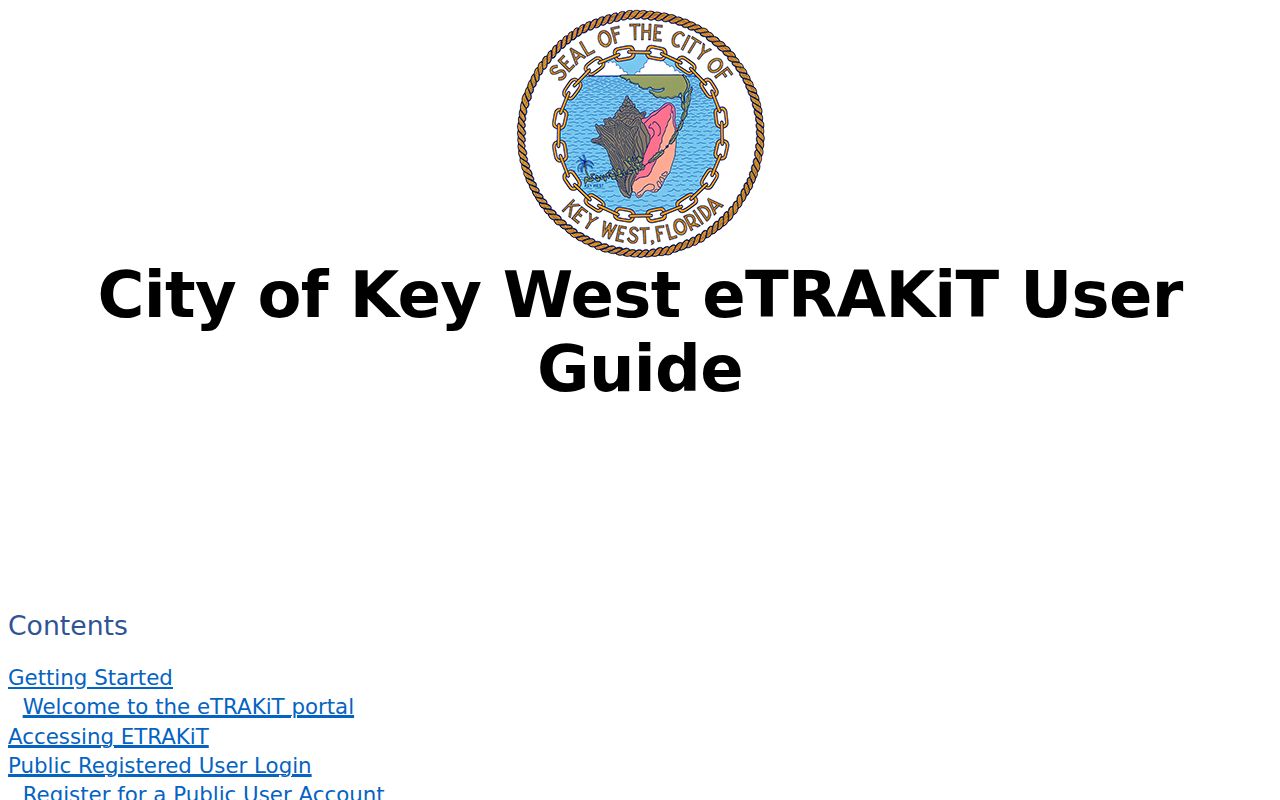
Results may identify work, applicants, contractors, status, and inspections. Those facts date a project, not a household. Flood maps from 1973, 1974, 1976, 1989, and 2005 add regulatory context and should be paired with deeds, photos, and maps.
Pair Key West Directories With Open Census Years
The Florida Keys History Center holds directories, newspapers, early tax/property census material, maps, church records, yearbooks, oral histories, and more than 24,000 images. Verified directory editions include 1887, 1888, 1893, 1906–07, 1911, 1914, 1917, and 1927. They are a minimum inventory, not proof that all intervening years are absent.
- Find the address or person in one edition and copy it exactly.
- Check the edition before and after, preserving initials, spouse, and work.
- Pair it with the 1910, 1920, 1930, 1940, or 1950 census.
- Compare the household, address, occupation, and name variants.
- Use newspapers, church files, cemetery records, and probate for changes.
The Key West city directories page covers the volumes themselves. An omitted name is not proof of absence. A canvass could miss women, children, naval households, or anyone away when the publisher called.
Ask the Key West History Center About Offline Years
The History Center is at the Key West Library, 700 Fleming Street. Specialist hours are weekdays, 9 a.m. to 6 p.m. Dr. Corey Malcom is at 305-809-5260 and Breana Sowers at 305-809-5261. Give staff name variants, approximate years, addresses, work, relatives, and the collection sought.
Sanborn maps can show footprint, use, and street number at publication time, though no complete local year run was verified. The Center also points to Library of Congress maps, UF newspapers, Florida Memory, burial information, and institutional genealogy tools.
The cemetery and descendant research story shows how burial evidence can reopen a family trail.
Close the Key West Previous Residents Trail
An obituary may connect a former address to relatives, work, church, or burial. The City Cemetery opened in 1847 after the 1846 hurricane disturbed the older shore burial ground. Burial cards, field inquiries, History Center newspaper tools, and cemetery sources can be checked together.
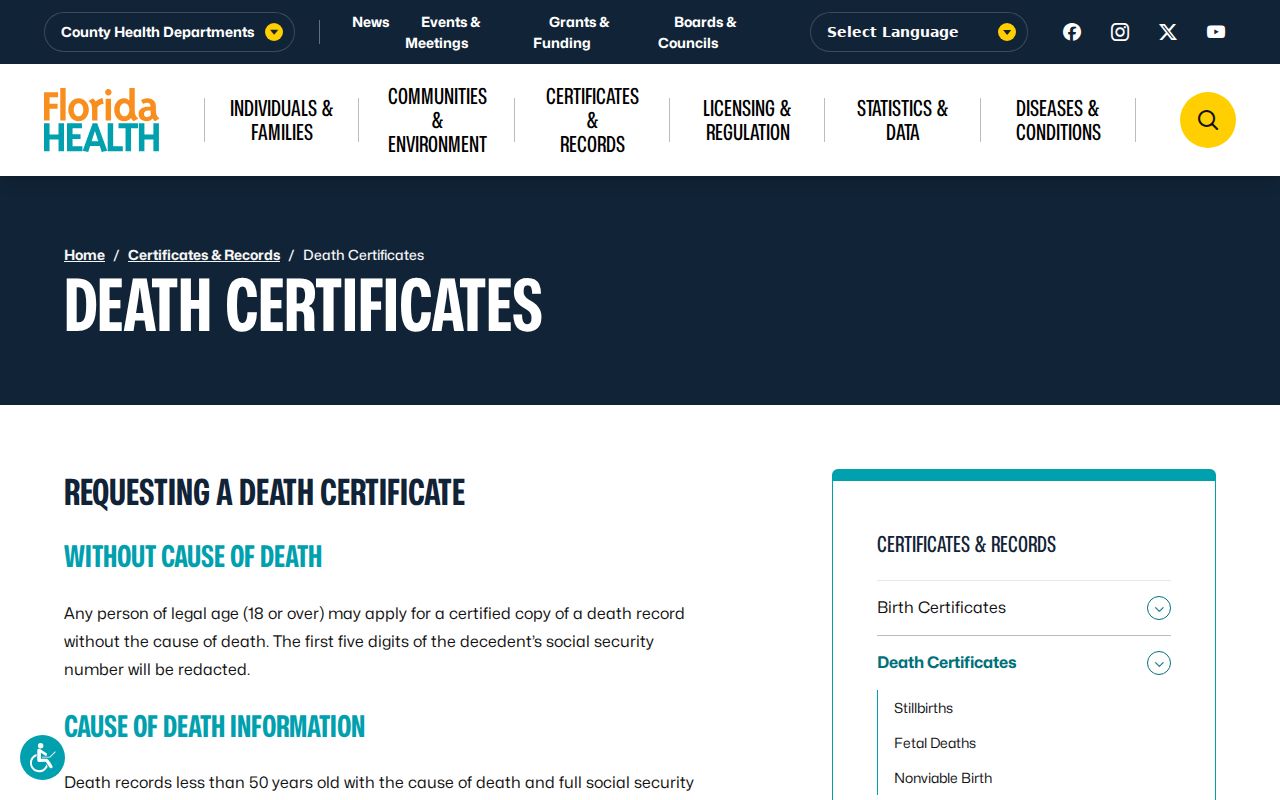
Florida death certificates without cause may be requested by any adult, while cause remains restricted for 50 years and Social Security numbers remain confidential. The Florida death certificate page explains the official channels.
Use the Monroe court portal's Probate mode for administrations, wills, heirs, homestead, and caveats. Remote images can be limited even when docket entries remain public.
Use Birth Evidence in Key West Family History
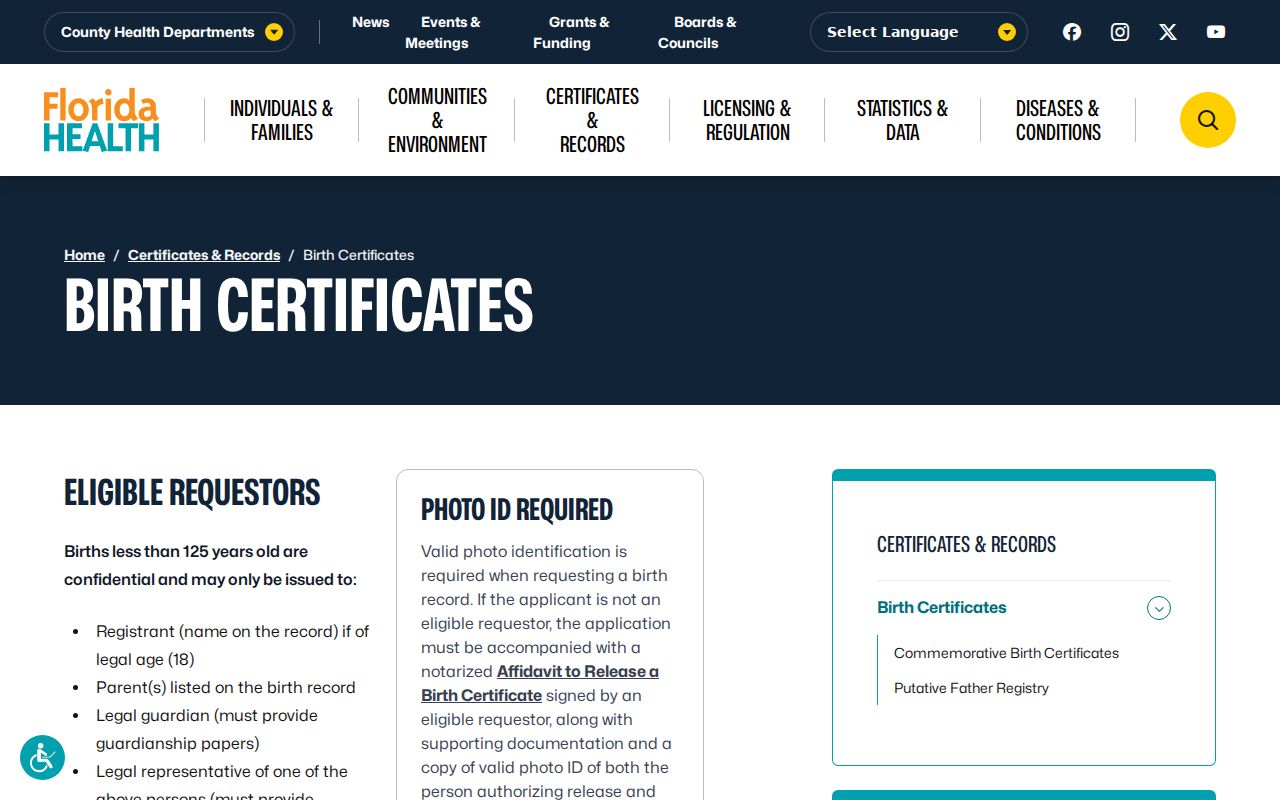
Birth evidence may distinguish same-name relatives, but Florida birth certificates stay confidential for 125 years. Eligible applicants must follow the official form and identification rules. For older genealogy, church, cemetery, directory, census, and newspaper evidence can supply leads without being called state certificates.
The Florida birth certificate page gives eligibility and ordering routes.
Watch the Current End of a Key West Deed Trail
The Monroe Clerk offers free recording alerts for matching names. It can notify a subscriber soon after a deed, mortgage, or other land record is recorded. This is useful for seasonal or vacant property, but it is an alert rather than a block on filing.
The property fraud alert page is the official enrollment point.
Lawful use. Research past residents for house history, family history, or personal curiosity. Never use an address trail to follow, threaten, or harass a living person.
Keep a Key West Address Timeline That Can Be Checked
A sound house-history file separates facts from working ideas. For each Key West transfer, record the source, access date, party roles, document type, record and execution dates, instrument number, book and page, and exact legal description. Keep directory and census findings on a second timeline because occupancy and title can change on different dates. When sources conflict, return to the image or custodian instead of choosing the result that seems most likely.
Names also need care. Spanish and English forms, two-surname patterns, initials, a spouse, and an occupation may separate people whom an index merges. Maritime and naval families can move between editions without a deed. An estate, trust, or company may replace a personal owner name while relatives remain tied to the property. Each puzzle calls for another record, not a guess about an unseen household. Mark every gap plainly so a Clerk or History Center visit has a precise goal.